
The Export Window
Nyamira, for buyers outside Kenya
The window is open and the binding constraint is not produce. It is proof — traceability, grading, volume, and the certification a buyer needs before a first order.
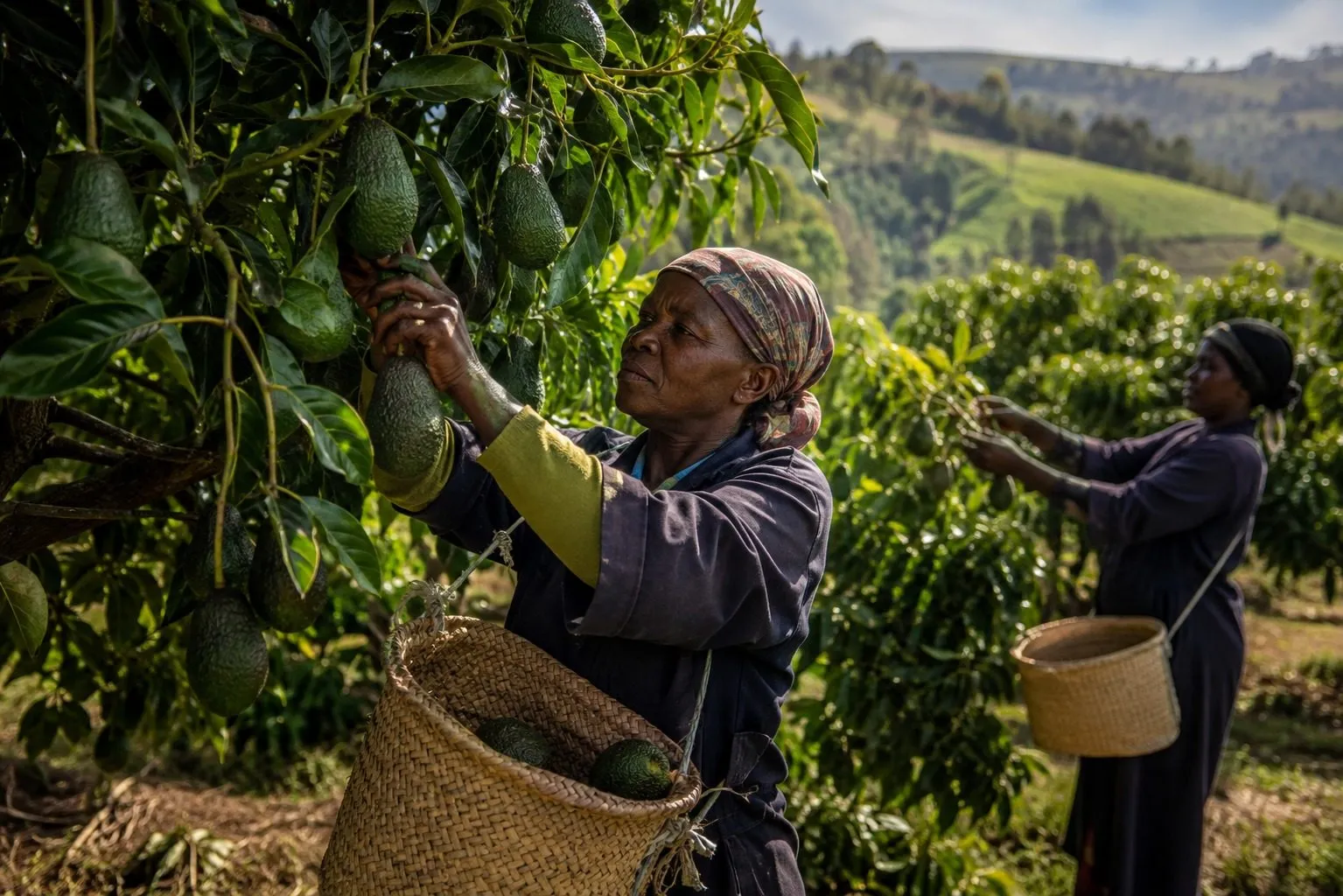
The window is open
A zero-tariff framework for African products entering China took effect on 1 May 2026, and the national Chamber has been moving this county's exact crop list for two years. Neither of those facts is in dispute, and both are sourced at the foot of this page.
The constraint is proof, not produce
An open framework is not an order. A buyer who has never been to Kenya cannot act on the fact that a county grows something; they act on evidence that a named supplier can deliver a stated volume at a stated grade, with a record behind it.
Everything below is what that buyer needs to see. Each one is a capability the county can build, and together they are the argument for the AI Pavilion.
- 01
Who can supply it
A named business with a sales line that reaches somebody who can quote. This is what the register is.
- 02
In what volume, and when
Stated capacity per business, and aggregation across cooperatives where no single holding fills a container.
- 03
At what grade
Grade as a measurement taken at the collection point, not as an assurance offered over the phone.
- 04
With what traceability
A record that follows a consignment from the block it was picked on to the carton that is opened.
- 05
Against which certification
What a certification body will ask for, assembled before it asks. Most failures here are documentary, not agronomic.
What the county can offer
| Chain | What is exported today | What it is worth with work done to it | Stage |
|---|---|---|---|
| Tea | The county's largest smallholder crop by area, delivered green-leaf to factory collection centres on a daily cycle. | Green leaf sold at the collection centre and graded, blended or packed tea sold to a buyer are two different products at two different prices. The gap between them is the county's largest single value-addition opportunity, and it is captured at the factory rather than at the farm. | In progress |
| Coffee | Arabica grown on smallholdings and delivered as cherry to cooperative wet mills. | Cherry, parchment and green bean are three prices for one harvest. Milling, grading and a traceable lot identity are what move a cooperative from the first to the third. | In progress |
| Avocado | Hass and local varieties from smallholdings, harvested to a season that overlaps the main export windows. | Export grade is a specification, not a quality: size, dry matter, maturity and traceability to the block. A grower who can evidence those is selling into a different market from one selling loose fruit at the gate. | In progress |
| Macadamia | Nut grown on smallholdings, named in the Chamber's own export facilitation record alongside avocado, coffee and tea. | Nut-in-shell and kernel are separated by drying, cracking and grading. The processing step is where the margin sits, and it is a plant investment rather than an agronomic one. | Planned |
| Dairy | Zero-grazing units on small holdings, delivering to cooperative collection points. | Raw milk is a commodity with hours of shelf life. Chilling, testing and bulking convert it into a product with a contract behind it, and the collection point is where that conversion has to happen. | Planned |
| Banana | Grown throughout the county, largely for the domestic and regional market. | Ripening control, grading and packaging are the difference between a bunch sold at a roadside and a graded carton sold to a retailer on a standing order. | Planned |
| Soapstone and minerals | Extraction and hand-working of stone, a long-established trade in the wider Gusii highlands. | Raw block, dressed stone and finished article are three markets. The finished article carries the design and the provenance story, and it is the only one of the three that travels well. | Planned |
| Construction materials | Brick, ballast and dressed stone produced for the county's own building demand and its neighbours'. | Consistent dimension, tested strength and a delivery schedule are what let a producer sell to a contractor rather than to a passer-by. The certification is the product. | Planned |
Placing a first enquiry
Placing a first enquiry
Buyer enquiries route through the Chapter Secretariat, which puts them to the businesses in the register that can actually supply the volume and grade asked for. The Chapter does not act as agent for any business and does not take a position in any trade.
Buyer enquiries
Write to the Chapter Secretariat with the product, the volume, the grade and the delivery window you need.
The register is open and currently holds no published entries, so enquiries are matched by the Secretariat directly. Businesses can add themselves free at any time.